Fire alarm and evacuation systems
Early detection. Rapid response. Safer evacuation.
Fire alarm and evacuation systems play a vital role in protecting people, property and business operations. By detecting potential hazards at an early stage, activating alarms and supporting coordinated emergency response, these systems help minimise risks and provide valuable time for safe evacuation.
Altenova delivers tailored fire detection, alarm and evacuation solutions for a wide range of environments, from industrial facilities and logistics centres to commercial buildings and public spaces. Our systems can operate independently or integrate with other fire protection technologies, including sprinkler systems, gaseous fire suppression and smoke and heat ventilation systems.
How do fire detection systems work?
Early and reliable fire detection is essential to effective fire protection. Automatic fire detectors identify signs of a developing fire, such as smoke, rising temperatures or flames, and transmit signals to the fire alarm control panel for evaluation and appropriate action.
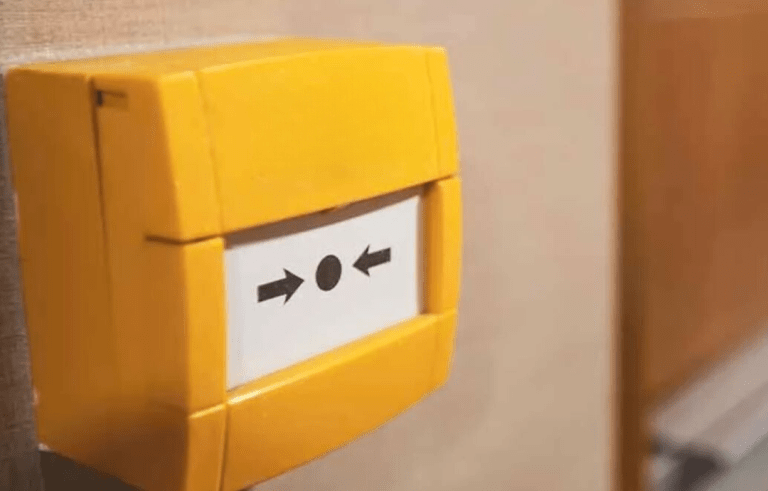
Depending on the system configuration, the fire alarm system can activate audible and visual alarms, indicate the location of the detected event and initiate predefined safety functions. These may include the activation of automatic fire suppression systems, smoke and heat control systems, or other connected building safety technologies.
Selecting the appropriate detectors is critical to system performance. Factors such as the expected fire development, room height, ambient conditions and potential sources of interference must be considered to ensure reliable detection while minimising unwanted alarms.
Key benefits
- Early hazard detection – identifies fire and gas-related risks before they escalate.
- Rapid response – automatically activates alarms and connected safety systems.
- Safer evacuation – provides clear warnings and supports emergency procedures.
- Seamless integration – connects detection, alarm, suppression and smoke control systems.
- Tailored protection – solutions adapted to specific building requirements and operational risks.
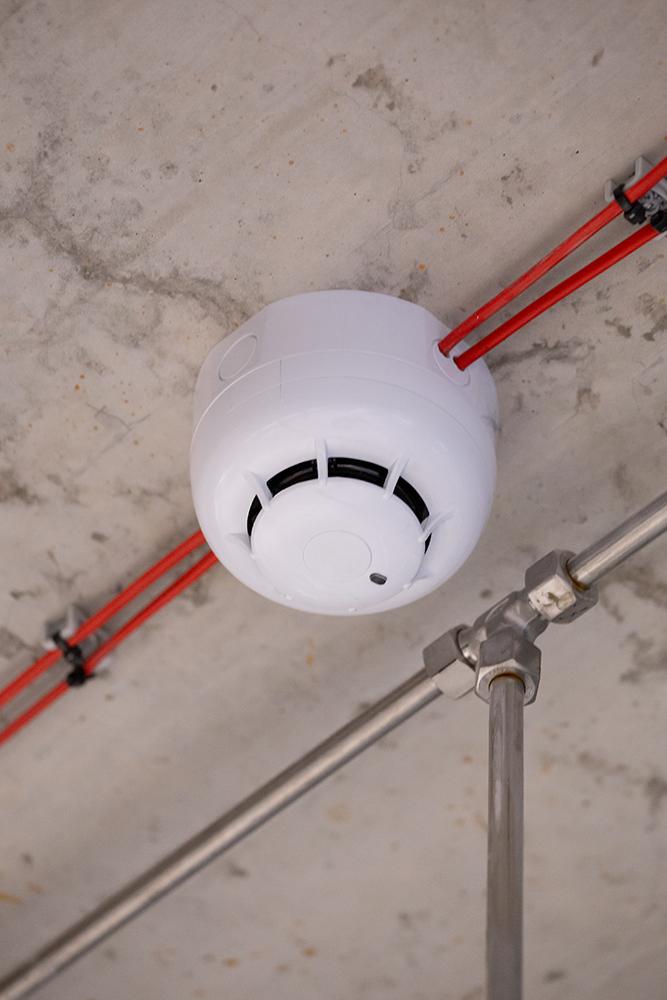
Aspirating smoke detection
Aspirating smoke detection systems provide very early fire detection by continuously drawing air samples through a network of sampling pipes and analysing them for smoke particles. Their high sensitivity makes them particularly suitable for environments where early warning is critical, such as data centres, clean rooms, warehouses and other large or technically demanding spaces.
Sprinkler system monitoring
Integrated monitoring helps track the operational status of sprinkler systems and communicate relevant alarms and fault signals to the fire alarm system. By providing clear system status information and supporting coordinated responses, it helps ensure that issues requiring attention are identified promptly.
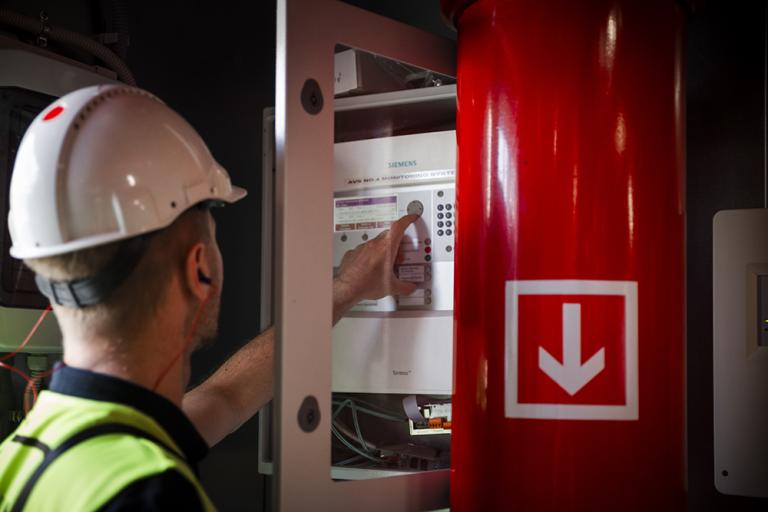
Gas detection systems
In environments where hazardous or flammable gases may be present, gas detection systems provide an additional layer of protection. Specialised detectors continuously monitor gas concentrations and issue warnings when predefined thresholds are exceeded.
Depending on the application, these systems can detect combustible or toxic gases, as well as oxygen deficiency or enrichment. They can also be integrated with ventilation systems, alarms and other safety technologies to initiate appropriate protective measures.
Evacuation systems
Effective evacuation depends on timely warnings and clear communication.
Evacuation systems help guide building occupants to safety through audible and visual alarms, voice announcements and coordinated emergency procedures. Integrated with fire detection systems, they support a rapid and organised response, particularly in large or complex buildings.