SHEV: Overpressure systems
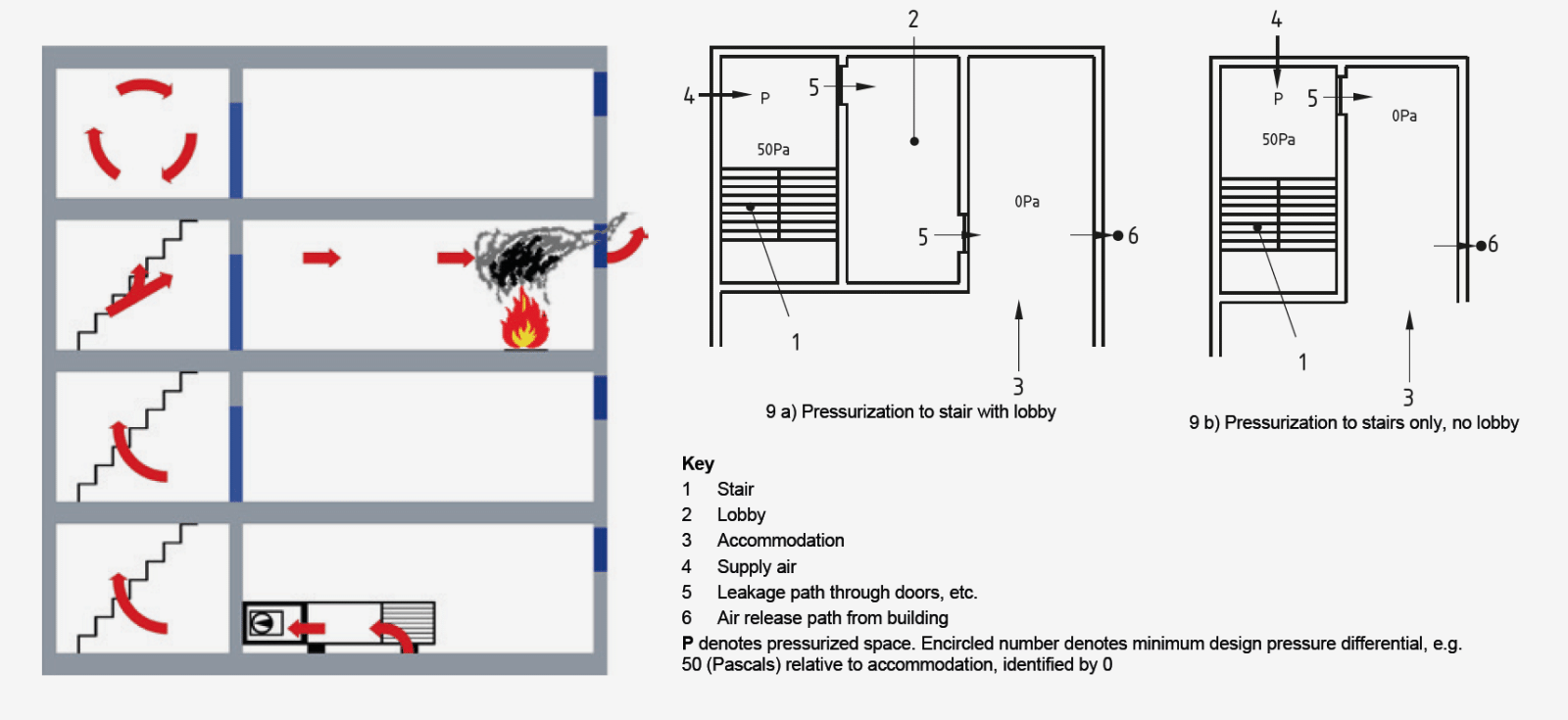
Pressure differential systems help protect escape routes and other designated areas from smoke infiltration during a fire. By maintaining higher air pressure in protected spaces than in adjacent areas, these systems support safer evacuation and provide improved access for emergency services.
How do pressure differential systems work?
In the event of a fire, a pressurisation system supplies controlled airflow to protected areas, such as stairwells, creating a pressure difference that helps prevent smoke from entering.
The system is designed to maintain appropriate pressure levels while allowing doors to be opened safely during evacuation and firefighting operations.
Applications
Buildings
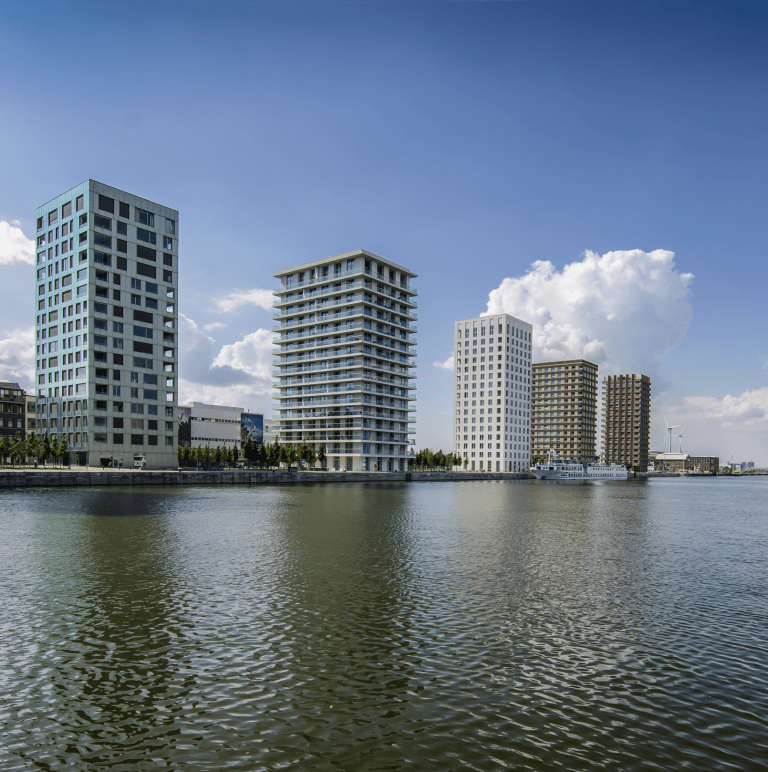
Pressure differential systems are used to protect stairwells, firefighting access routes and other designated spaces where smoke control is essential for safe evacuation and emergency response.
Emergency and escape tunnels
In road and railway tunnel infrastructure, pressurisation systems can help protect designated emergency and escape tunnels by limiting smoke infiltration from adjacent areas during a fire.
Each system is designed according to the specific building or infrastructure requirements and applicable fire safety standards.