Smoke and heat ventilation systems
Clear the smoke. Keep escape routes safer.
Smoke and heat ventilation systems play a vital role in fire safety by controlling the movement of smoke and hot gases during a fire. They help maintain safer evacuation routes, improve visibility for emergency responders and reduce the impact of smoke and heat on buildings.
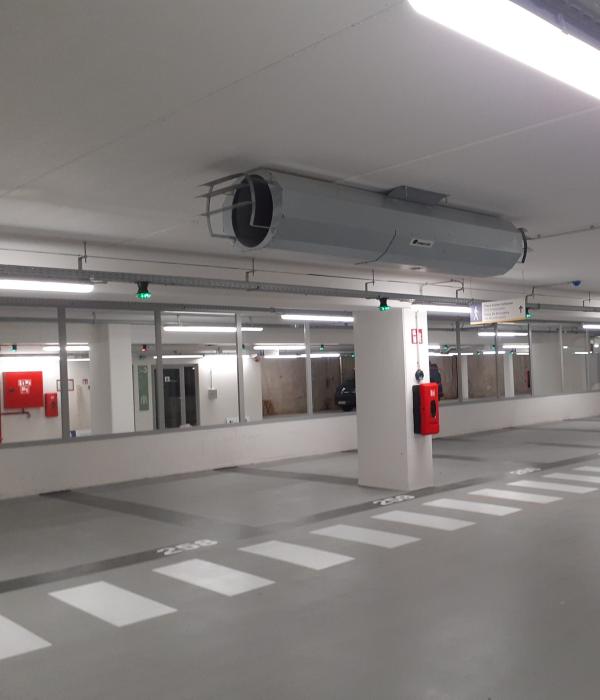
At Altenova, we design and install tailored smoke and heat ventilation solutions for a wide range of applications, including commercial and industrial buildings, underground car parks and protected escape routes. Our solutions include natural and mechanical smoke extraction systems, as well as pressure differential systems, designed to meet the specific requirements of each building.
How do smoke and heat ventilation systems work?
How they work
Smoke and heat ventilation systems help control smoke movement and heat during a fire, supporting safer evacuation and firefighting operations.
Depending on the building's layout and fire safety requirements, these systems use controlled airflow, smoke extraction or pressure differences to manage smoke and protect designated areas.
They can be integrated with fire detection and alarm systems to activate automatically according to predefined fire scenarios.
Technologies used
Natural smoke and heat ventilation: Uses the natural buoyancy of hot smoke to release smoke and heat through automatically operated vents.
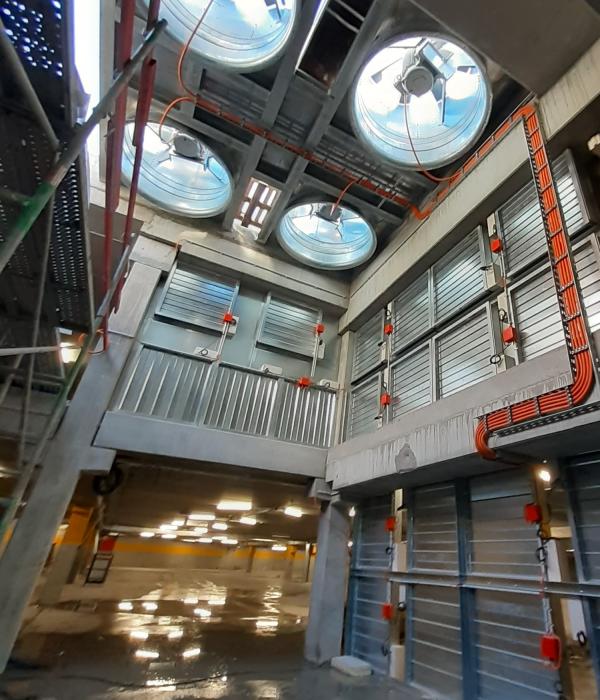
Mechanical smoke and heat ventilation: Uses powered fans and extraction systems to control airflow and remove smoke and heat.
Pressure differential systems: Maintain pressure differences to help prevent smoke from entering protected escape routes and stairwells.
Benefits of smoke and heat ventilation systems
- Safer evacuation: Help maintain visibility and more tenable conditions along designated escape routes.
- Improved firefighting access: Support emergency services by controlling smoke movement and improving access to affected areas.
- Reduced smoke and heat damage: Help limit the spread of smoke and reduce thermal exposure to building structures and equipment.
- Flexible integration: Can be adapted to different building types, layouts and fire safety requirements.
- Compliance with applicable standards: Designed according to relevant fire safety regulations and technical standards, depending on the building's location and intended use.
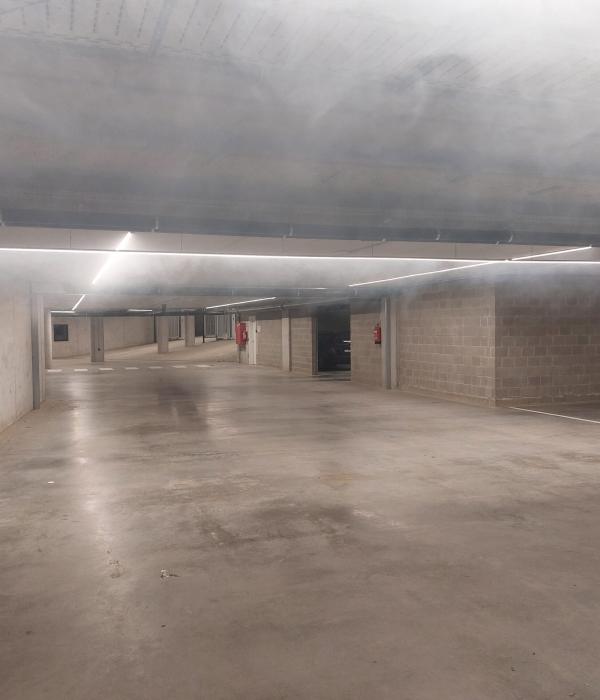
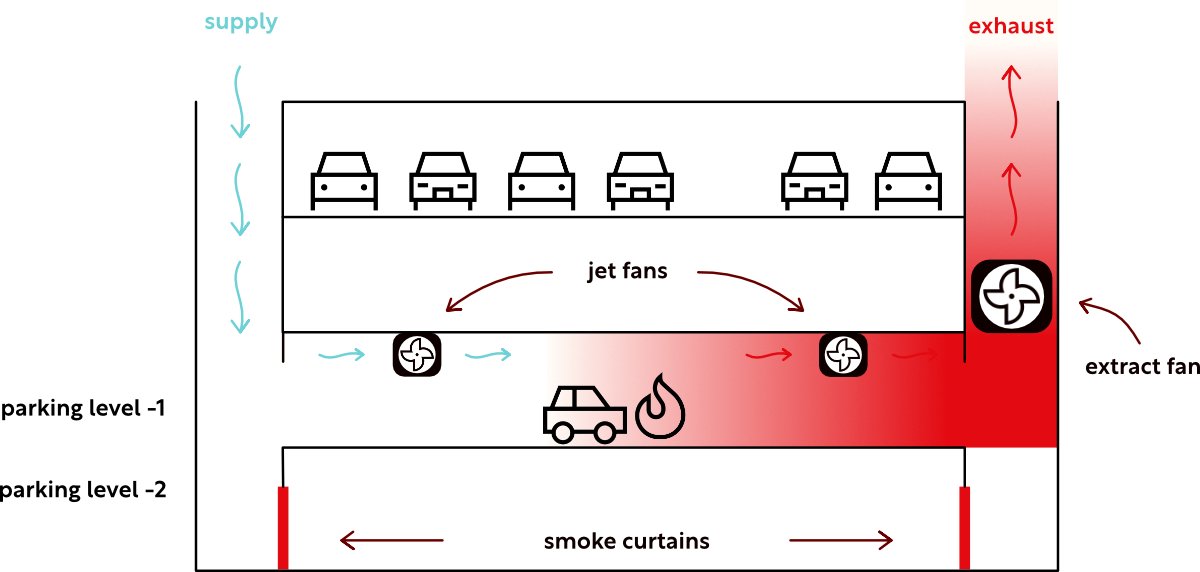
Smoke and heat ventilation system operation in a garage
Different applications
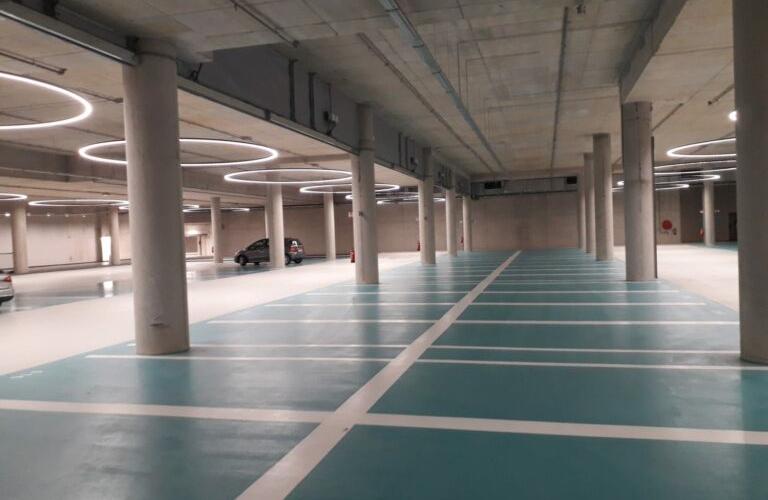
Underground car parks
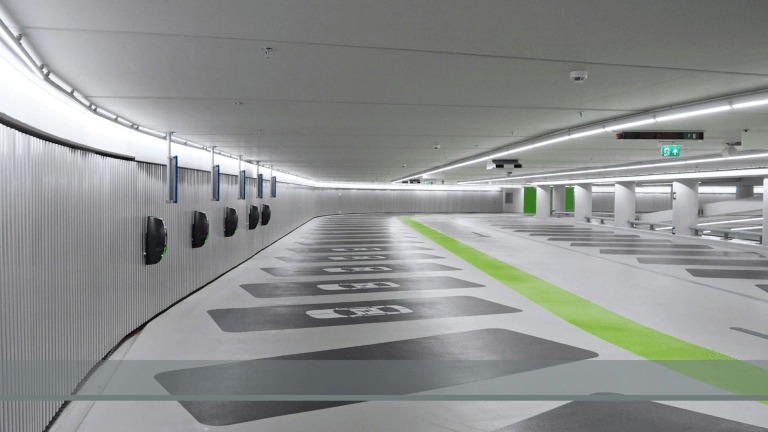
Tailored ventilation systems for underground car parks, ensuring effective air quality control during daily operation and managing smoke and heat in the event of a fire.
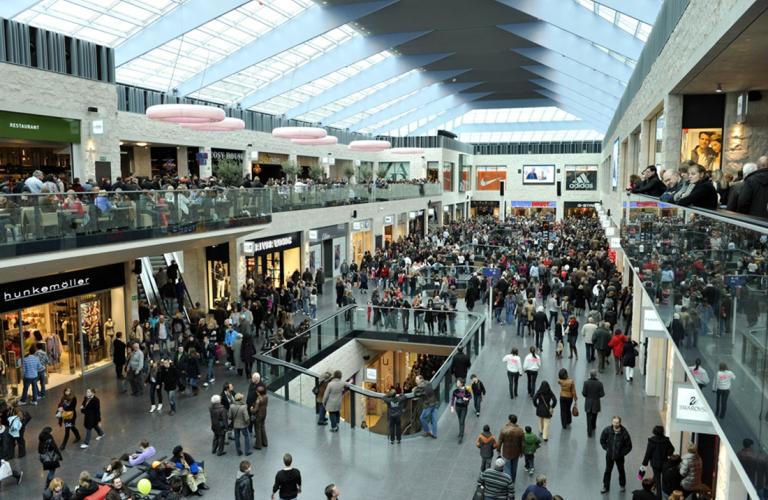
Buildings
Tailored smoke and heat ventilation systems for buildings, helping maintain safer evacuation conditions, support firefighting operations and reduce smoke and heat damage.
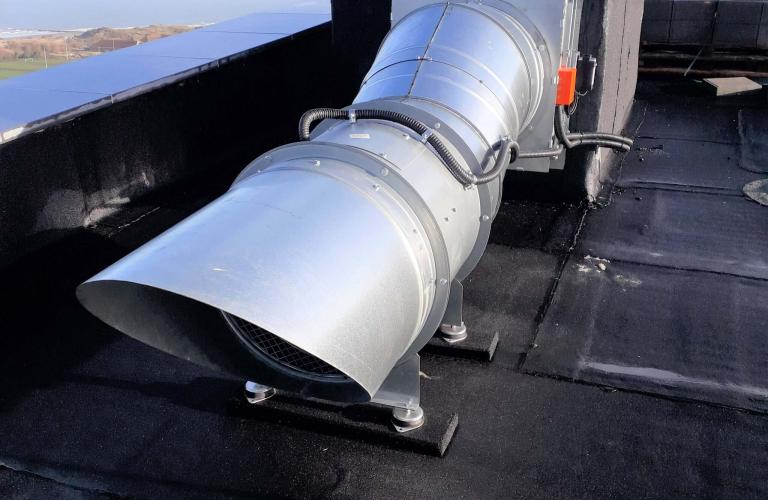
Overpressure systems
Pressure differential systems help protect escape routes and critical areas from smoke infiltration, supporting safer evacuation and emergency access during a fire.